RFID Production performance Testing

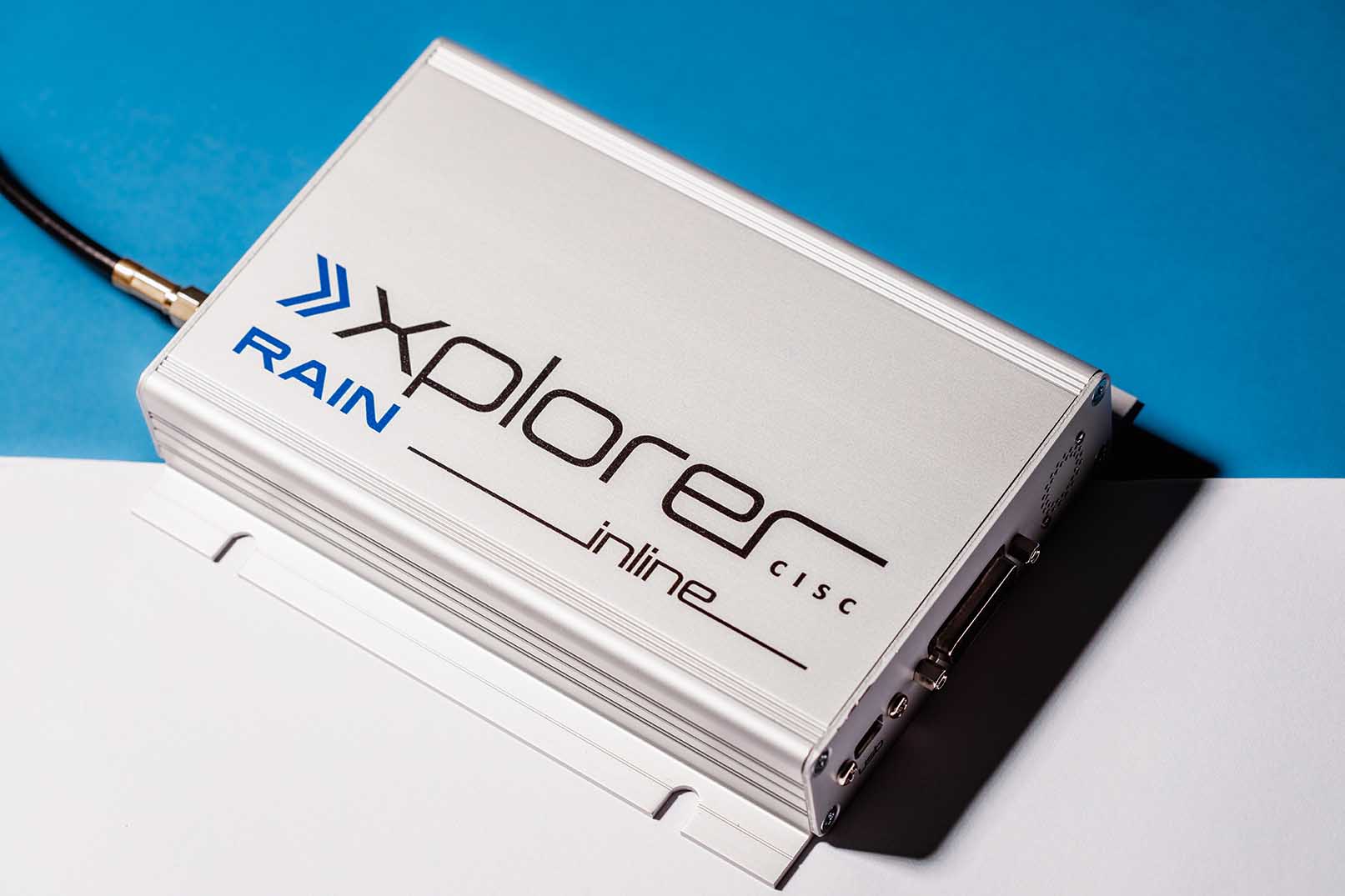
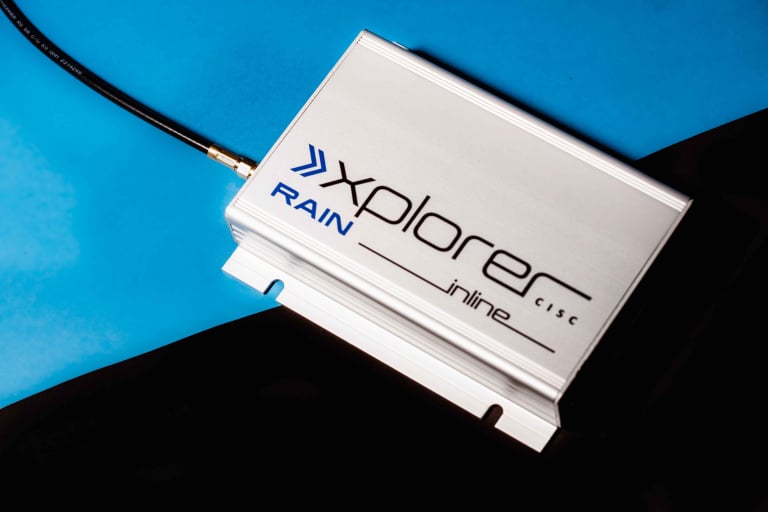
RAIN Xplorer Inline is a Test Solution for High-Speed Quality Assurance and Encoding.

RFID Performance Testing During Production

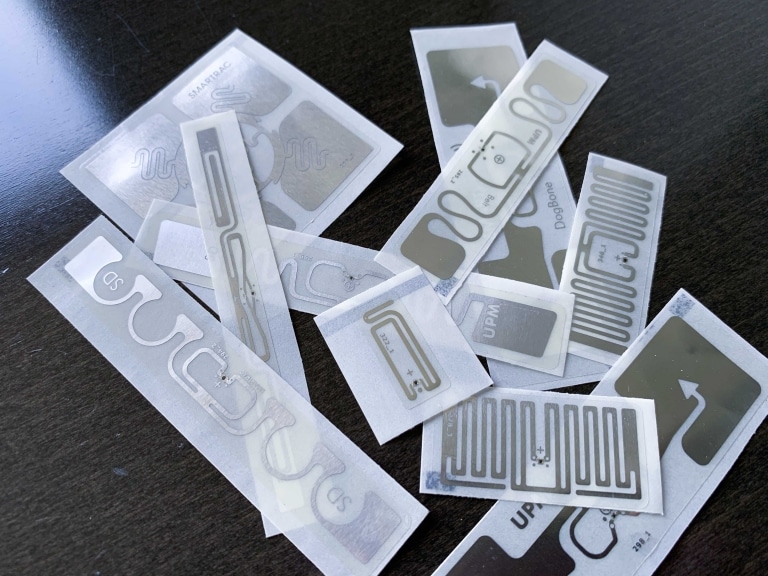
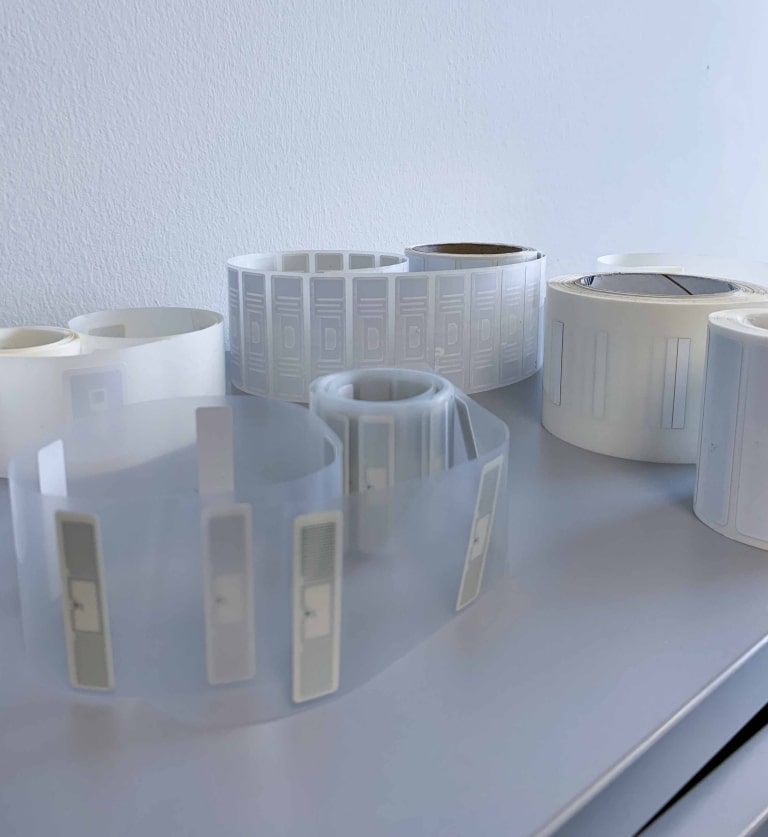
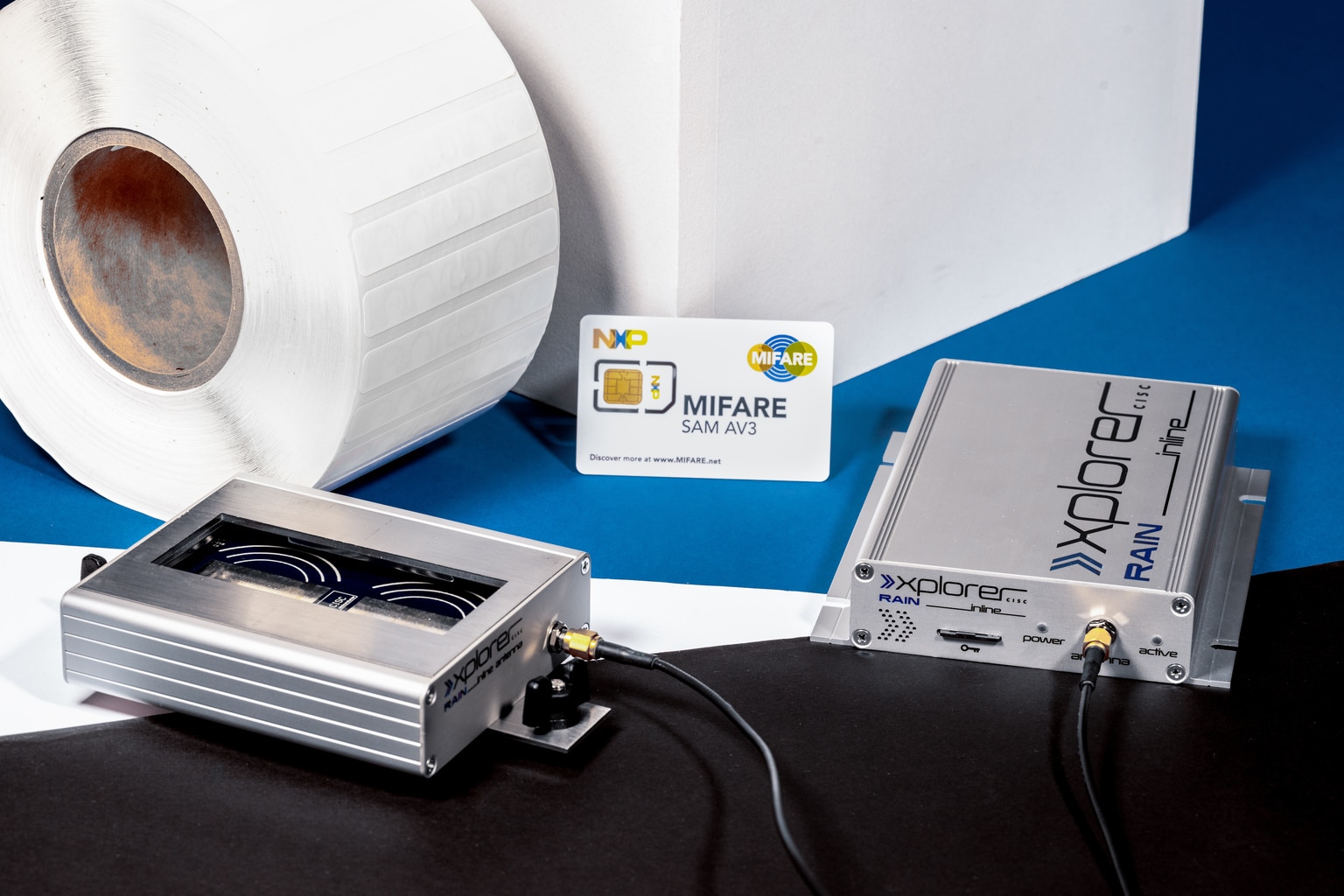
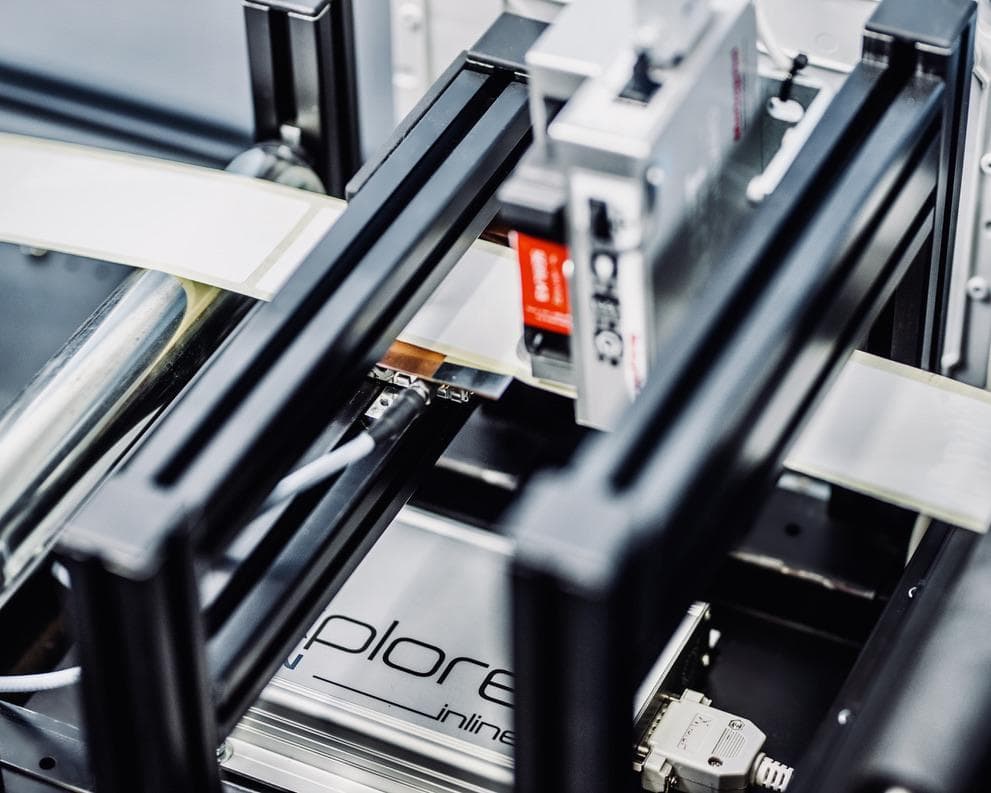
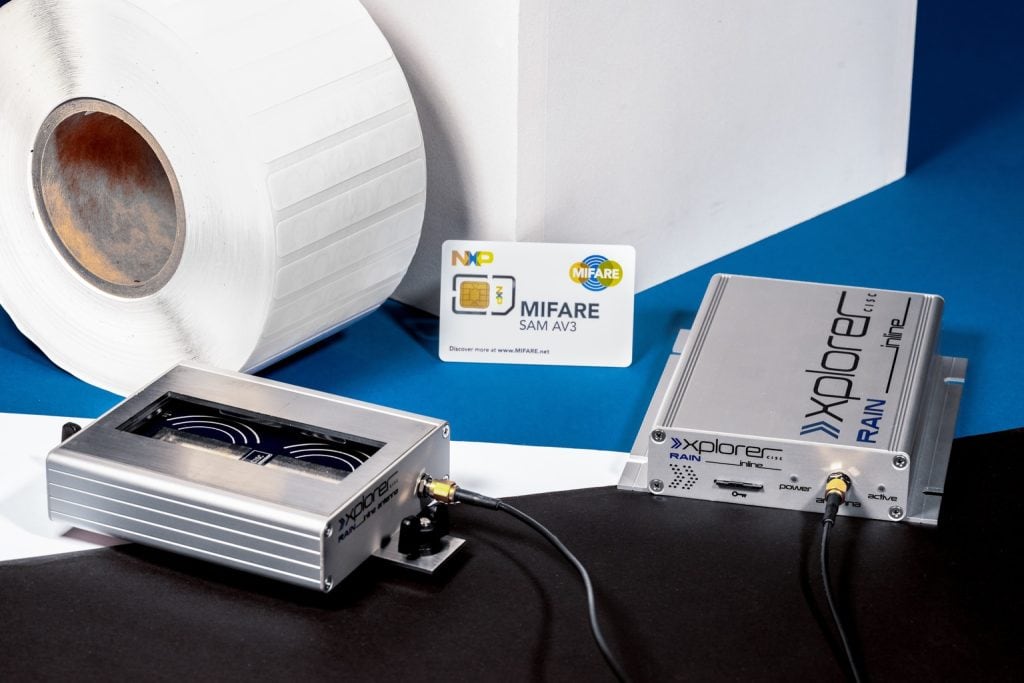
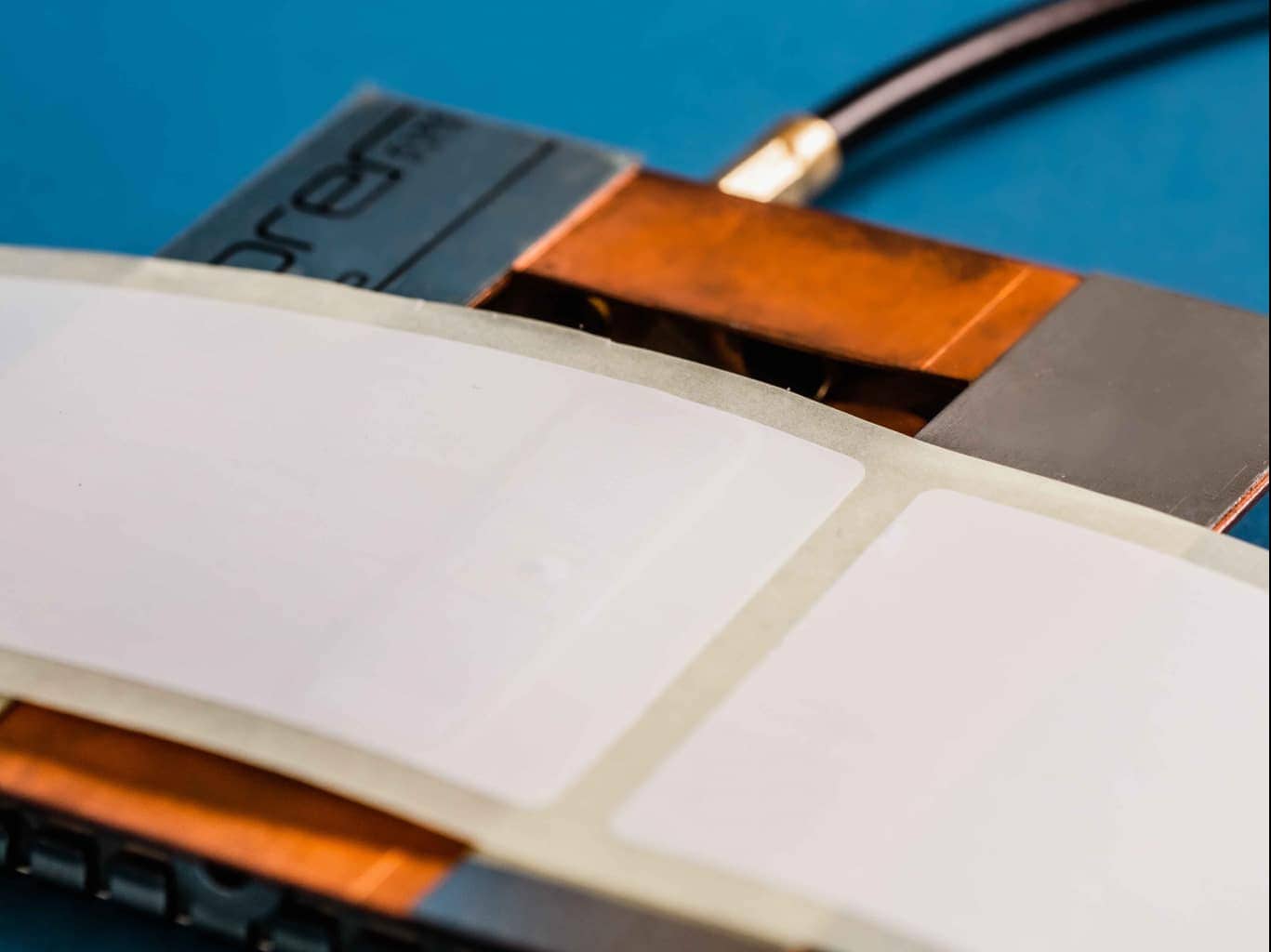
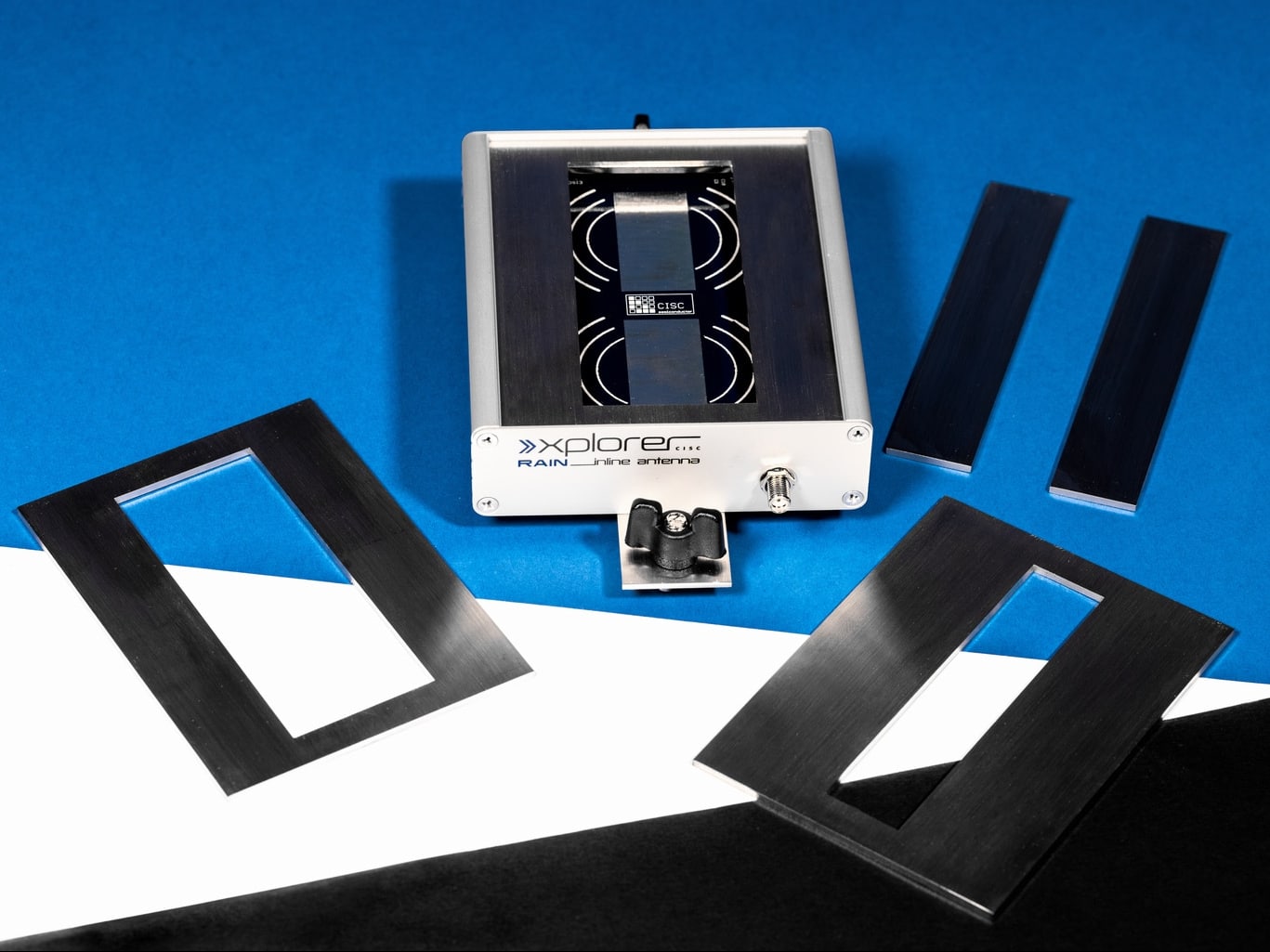
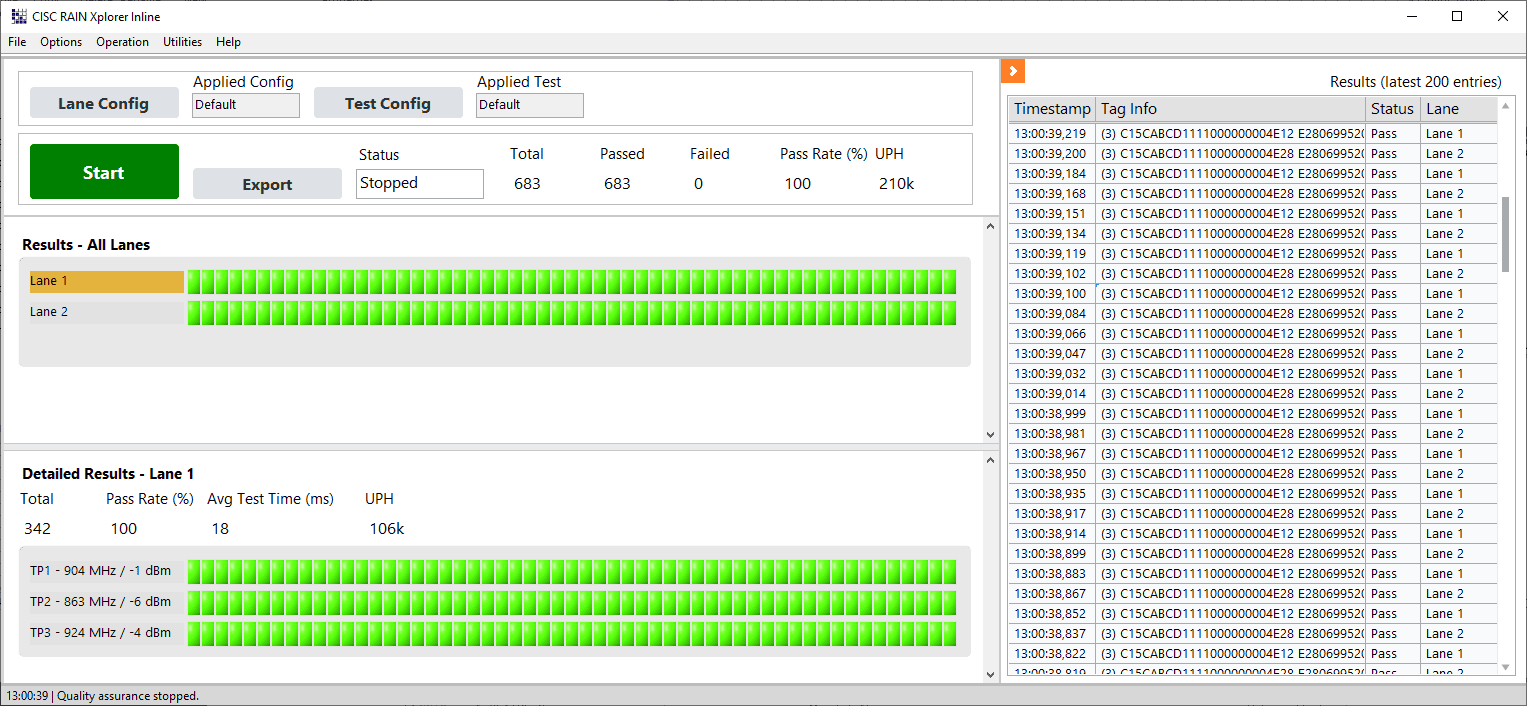
The CISC RAIN Xplorer Inline is a unit for high-speed performance testing of RAIN RFID inlays and tags during the production process. It offers quality assurance during the production process from start to end. RAIN Xplorer Inline is available with a GUI but also allows full integration into assembly machines through serial interfaces, trigger lines, and API.

Encoding and Locking

The RFID Xplorer Inline system is designed to efficiently encode, test, and lock data on RFID labels in a single, streamlined process. This advanced capability ensures that each RFID label is accurately encoded with the correct data, rigorously tested for performance, and securely locked to prevent unauthorized alterations. By consolidating these steps, the system significantly boosts production efficiency, minimizes the risk of human error, and guarantees the reliability and security of every RFID label. This makes it an essential solution for managing high volumes of RFID labels with precision and confidence.

Key Benefits

  • More flexibility in creating an own performance matrix
  • Better analysis while saving time and cost
  • Testing for performance on multiple frequencies on a single RAIN RFID inlay tag at high speed 
  • Improves overall quality of the product
  • Full quality assurance in production
  • Security, crypto support (SAM, TAM)

Key Features

  • 800 MHz to 1 GHz
  • TX power range from -10 dBm to 28 dBm
  • Sensitivity up to -80 dBm
  • Read EPC, TID and memory
  • Encoding (Write memory)
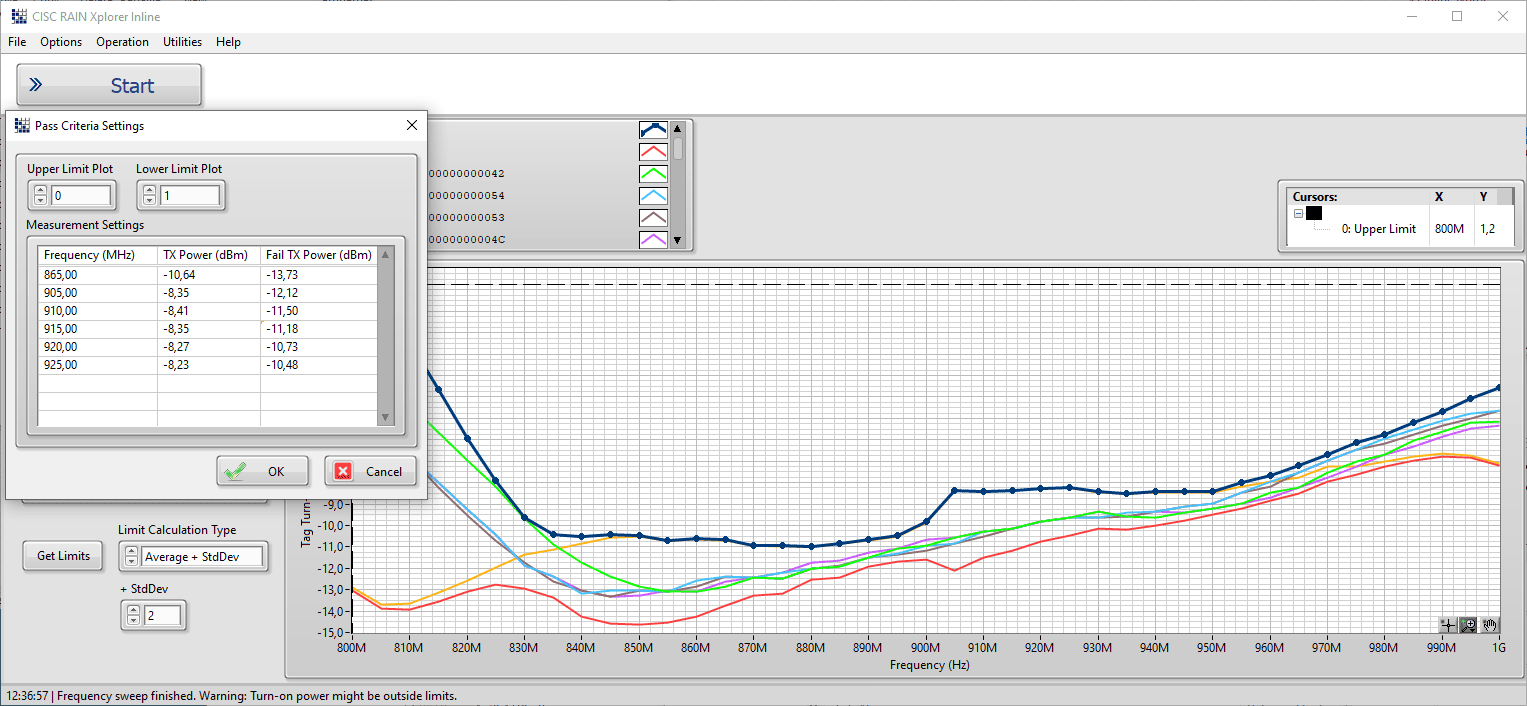
  • Measure tag sensitivity over frequency
  • Test time starting at 6 ms per single read EPC test point
  • Linear test time scaling, e.g. 30 ms for 5 read EPC test points
  • 100k UPH testing for 5 power/frequency pairs on EPC and reporting TID
  • GPIO for external trigger
  • Serial interface for communication

The performance test support mode supports reference tag measurements to easily extract performance criteria for the tags. These parameters are then used to define criteria for the high volume quality assurance testing.

SOFTWARE Maintenance Service

Maintenance means the provisioning of regular Updates for the software of the Product. CISC Semiconductor provides Updates on a schedule of approx. six (6) months (typically two times in a year). These updates don’t add completely new features but focus on maintaining top performance, ensuring compatibility, provide continuous improvements in functionality of the Product, continuous usability enhancements and necessary security updates. Updates are made available online under www.cisc.at/support for the Licensee’s Technical Contact(s). Note: Upgrades are not part of the Maintenance.

Cost: Maintenance is optional. It is provided in the form of Updates of the software for the Product purchased by the Licensee. Maintenance must be purchased by Licensee in advance for an annual extension of 20% of the current license price of the at the date of order. Extensions of Maintenance may also be purchased for more than one year.
For every purchase of the product Maintenance is included for the first twelve (12) months after purchase (shipment date) for free.

Customer benefits per release

Release: Build_251114

  • Encoding and testing are now much faster, reducing production time significantly.

  • The system adjusts automatically to the actual web speed, giving smoother operation and fewer read failures.

  • The tester now works reliably even on very fast production lines (up to 200 m/min).

  • High-speed encoder input ensures accurate testing at high web speeds.

  • Results can now be sent directly to printers, databases, or other devices through WebSocket communication.

  • Network setup is easier because the subnet mask can be changed directly in the software.

  • A new encoding screen with ready-made setups makes configuration quicker and simpler.

  • Automatic calibration tools help ensure accurate antenna and fail-marker settings.

  • The machine speed is shown in real time, giving operators better control.

  • Different lanes can use different frequencies, reducing interference and cross-talk.

  • The risk of duplicated encodings is lower, making production safer.

  • Previous settings load more reliably when the software starts.

  • The interface is easier to use thanks to several usability and design improvements.

  • The API now supports higher speeds and includes small enhancements for smoother integration.

Release: Build_250515

  • The device can now be connected with a normal internet (Ethernet) cable.
  • It can be updated directly, without using any extra cable.
  • It writes the needed data faster.
  • It can write all required data in one single step.
  • It can send information directly to the printer.
  • You can choose when exactly the device should send its “signal.”
  • There are new, simple options for this signal.
  • The device now avoids reading the same tag more than once in a row.
  • The program now installs to a new default location.

Release: Build_250331

  • The API can now communicate over Ethernet with the RAIN Xplorer Inline V5.0, making integration easier.

  • A new function converts power settings automatically, reducing manual work and avoiding mistakes.

Release: Build_240731

  • The device now has an encoding feature that you can turn on or off, depending on what you need.

  • You can also create data that increases step-by-step (incremental data) by choosing where it should start and where it should be written.

Release: Build_240201

  • The test process is now faster.

Release: Build_230430

  • New simple control functions were added to the CIU (Controllable Interface Unit).
  • There are now more easy-to-use options for sending and receiving signals.
  • The UART connection now uses a faster default speed (115.2 kbit/s).

Release: Build_220331

  • The device can now work without a license dongle, because the license is saved directly on it.

  • You can control up to four devices using one simple interface (GUI or API).

  • The device can also be controlled through UART using the GPIO pins.

Release: Build_211109

  • You can now set an optional lower limit to decide if a test passes or fails.
  • The device now shows the PC and XPC bits of the tested tags.
  • New simple test steps were added for quality checks.
  • Support added for Rev1 of TAM2 together with SAM AV3.
  • The device can now measure power over a wider range.
  • It can save its calibration values directly on the device.
  • The antenna tuning process is now better and more accurate.

Downloads of RAIN Xplorer Inline

Related Case Studies,
News & Events

News

RFID Journal Live Orlando

News

WHITEPAPER: MEASUREMENT METHODS AND TEST STANDARDS

News

NEW FUNCTIONALITIES FOR PRODUCTION TESTING

Blog

SOLUTION FOR RETAILERS

Blog

QUALITY IN LABEL PRODUCTION

Blog News

Interview with CISC on Quality Testing in RFID Production

Blog News

Single-Step Encoding, Testing, and Locking

Blog

Multi-Lane Feature

Case Study

Label Reel Testing

Quality assurance testing of label reels for high quality provider of smart labels

Blog

Walmart mandate

Case Study

Tag Production Testing

How to test the quality of tags in production without stopping the speed of the production machine